

In association with Jerry,Owner
CPM Home Services, LLC
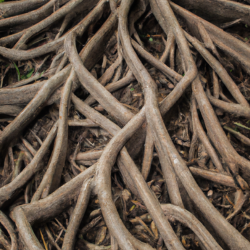
In addition to providing shade and aesthetic value, trees are a fantastic addition to any property around Spartanburg here in the Upstate area of South Carolina since they raise the value of the land. On the other hand, their roots have the potential to cause harm to the
foundation of your home, as well as to plumbing and other structures.
Reducing the extent of this damage is really necessary in order to preserve the security and integrity of your property. By getting in touch with Spartanburg Tree Care, you can find an effective answer. We are experts in removing disease-causing tree roots and improving the overall health of trees. We do care about your trees, but we have an obligation to weigh in on the potentialdamage tree rootscan cause as well. Protecting your property and ensuring that it continues to be a beautiful and secure area for many years to come can be accomplished by taking preventative measures to address this issue.
Within the scope of this page here on our website, we will investigate the influence that tree roots have on your property and offer advice on how to mitigate any potential harm that may occur.
What kinds of damage can be caused by tree roots to your house?
The roots of trees really can cause severe harm to your property, despite the fact that trees can bring value and beauty to your home. As roots continue to grow, they have the potential to push against and enter the very foundation of your home, which can result in structural fractures and before you know it, instability.
It is possible for tree roots to cause harm to your home by aggressively searching for underground supplies of water and nutrients present in the soil. This can result in the roots spreading and expanding into your home's foundation, plumbing, and sewer systems, which can cause these systems to become weakened or damaged. Roots that are growing can cause structural damage, leaks, and other costly repairs that can be difficult to replace. Roots can also be difficult to fix.
For the purpose of preventing damage to your home, it is vital to be aware of the trees that are located on your land and to take measures to limit the growth of their roots.
Are there signs that your home has been damaged by
tree root systems?
Damage caused by tree roots to your house can present itself in a variety of ways, such as cracks in the foundation or walls, uneven floors, or doors and windows that no longer close correctly. These problems may be brought on by the roots of adjacent trees growing too close to the structure and putting strain on the foundation or the walls of the basement of your home.
Responding to these indications of damage as quickly as possible is of the utmost importance. Leaving them ignored might cause them to become more severe over time, which can result in more substantial structural problems. The removal of the tree, the cutting of the roots, or occasionally the installation of barriers to prevent further development in your property may be necessary in order to repair the damage caused by tree roots.
Choosing trees that are appropriate for your land is one of the most effective strategies to reduce the negative effects that tree roots can have on your house. Later on this page you can read more since included some terrific guidance about specific tress and their
root systems.
A number of trees have root systems that are shallow, which makes them more likely to cause damage, while other trees have root systems that are deeper, which makes them less likely to have an effect on the foundation of your home.
Research should be done before planting any trees, and you should select species that are well-suited to the climate and soil type of your area, as well as those that have
root systems that are less prone to cause damage.
Damage to tree roots can be prevented and mitigated by several means.
In order to lessen the impact that tree roots have on your house, location is of the utmost importance. Before you plant any trees, you should take into consideration how close they are to the foundation of your house and the underground services. If you want to avoid damaging the foundation of your home as well as any underground pipes or wires, it is preferable to plant trees at a distance of at least 25 feet from your house. Pruning and maintenance performed on a regular basis can help trees remain healthy and reduce the likelihood of
root damage. Moreover, it is best to avoid planting trees on slopes or in close proximity to retaining walls because the roots of trees have the potential to destabilize the soil and create erosion.
Tree roots are essential for plant health, but they also play a role in how trees interact with soil, structures, and underground systems. Understanding how roots grow, when they might pose a risk, and how to manage them can help protect both your trees and your property. Below are common questions homeowners in Spartanburg have about tree root systems and their potential impact.
Tree roots typically spread outward from the trunk, often extending as far horizontally as the tree’s canopy. Most tree roots stay within the top layer of soil where nutrients and water are abundant, and they adapt to soil conditions as they grow.
Yes — tree roots can grow toward sources of moisture and potentially exert pressure on foundations, patios, or retaining walls if planted too close. This can cause cracking, shifting soil, or structural stress over time.
Tree distance depends on the species and size at maturity. A good general guideline is to plant smaller trees 10–15 feet from structures and larger trees 20–30 feet or more, allowing roots plenty of space without threatening foundations or underground lines.
Yes — roots can grow toward and into pipes or drainage systems that have leaks or small openings, leading to blockages, slow drainage, or damage. Regular inspection and early detection help avoid costly repairs.
Signs of potential root issues include cracked sidewalks or driveways, raised hardscape, uneven soil, clogged drains, or cracks in foundation walls. If these appear near trees, roots may be involved.
No — different tree species develop different root types. Some have deep taproots early in life, while most mature trees develop a widespread network of horizontal roots near the soil surface. Understanding species traits helps with planning and maintenance.
Yes — healthy roots are vital for a tree’s water and nutrient uptake. Root health can be influenced by soil compaction, moisture levels, disease, and nearby construction. Regular inspection helps ensure trees remain stable and vigorous.
Professional arborists can recommend strategies such as selective root pruning, installing root barriers, relocating trees, or choosing appropriate species for planting away from structures. These methods reduce risk while supporting tree health.
Yes — expansive roots can grow under hardscaping, potentially lifting or cracking surfaces over time as the root network expands. Proper landscape planning and routine maintenance help reduce this risk.
To schedule a professional inspection of tree roots and discuss options for management or mitigation, call 864-207-7650 or fill out the contact form on our website. We’ll assess your root concerns and recommend the best solution.